
Carnival in Italy is one of the most vibrant and eagerly anticipated festive periods of the year. It is a time when cities and villages are filled with colors, masks, laughter, and the aroma of sweets. Carnival combines ancient traditions, religious significance, and regional culinary heritage, creating a celebration where both joy and indulgence hold a special place.
What is Carnival, and why is it celebrated?
Carnival is a festive period that takes place before Lent, which in the Christian tradition leads up to Easter. The word “carnival” comes from the Latin phrase carne levare, which means “to give up meat.” It symbolizes the transition from a rich, joyful life to a more restrained and peaceful time.
Historically, Carnival was the last opportunity before Lent to enjoy hearty meals, sweets, and celebrate without restrictions. For this reason, Carnival cuisine in Italy is particularly rich in fried desserts, which are loaded with butter, eggs, and sugar. Over time, Carnival has evolved not only into a religious tradition but also into a cultural event that reflects the identity of each region.
When is Carnival celebrated in Italy?
The dates of the carnival change every year because they are tied to the Easter season. The carnival usually takes place in February or early March, and it culminates on Fat Tuesday (Martedì Grasso), which is the last day before Ash Wednesday.
During this time, Italian cities host spectacular parades, masquerade balls, and street celebrations. One of the most famous is the Venice Carnival, known for its exquisite masks and historic atmosphere. But even in smaller towns, Carnival is celebrated with special warmth-families gather together, and traditional sweets are prepared at home.
Carnival Sweets: A Story of Italy's Regions
Carnival in Italy is unthinkable without sweets. They are a symbol of the festival, evoking joy, generosity, and togetherness. Most Carnival desserts are deep-fried, as this method of preparation was once considered special and appropriate for the festivities.
Sweets known throughout Italy
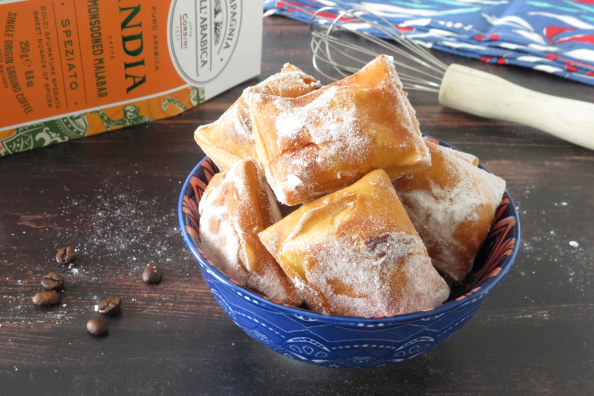
The most famous Carnival treat is chiacchiere, also known in various regions as bugie, frappe, or cenci. They are thin, crispy sheets of dough, lightly fried in oil and dusted with powdered sugar. Simple, yet very popular.
Another popular treat is castagnole-small, round dough balls with a particularly soft and light texture. They are often rolled in sugar and sometimes filled with cream or chocolate.
Regional Specialties
Northern Italy boasts a variety of cookies and fritters. In Mantua, riccioli are a favorite—cookies made from finely ground cornmeal with butter and lemon zest. In Lombardy, they make làciàditt, small apple fritters, while in South Tyrol, the symbol of Carnival is krapfen—filled doughnuts that have become popular year-round. In Piedmont, you’ll find farciò—larger, fluffy pancakes that are often filled with egg custard.
In Central Italy, the Carnival table is especially colorful. In Tuscany, they bake berlingozzo, a traditional ring-shaped cake, and schiacciata alla fiorentina-a soft cake decorated with the Florentine lily. In the Marche region, arancini di Carnevale are popular-layered pastries filled with orange juice and zest. In the city of Spoleto, they make crescionda-a chocolate and amaretti cake with a creamy, almost pudding-like consistency. In the Lazio region, cecamarini-small, very soft fried sweets-are well known.
Southern Italy offers particularly hearty desserts. In the regions of Abruzzo, Molise, and Umbria, they make cicerchiata-a wreath or pyramid of fried dough balls drizzled with hot honey. In Sicily, Carnival is unthinkable without pignolata glassata-fried balls with lemon or chocolate glaze. In Sardinia, zeppole are traditionally made, while in Naples, migliaccio and graffe-potato dough fritters-are favorites.
Carnival, sweets, and coffee-a real treat
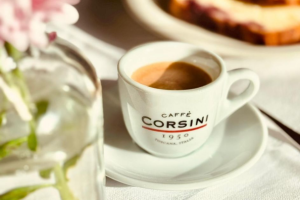
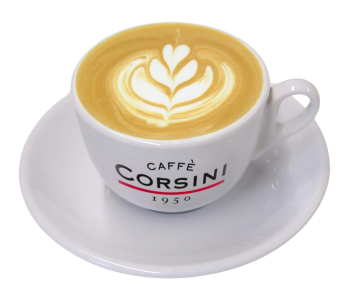
Regardless of the region, Carnival sweets in Italy are always accompanied by coffee. An espresso, cappuccino, or black coffee perfectly balances the richness of the sweets and brings out the subtle flavors of the dessert. It is an integral part of Italian culture-a leisurely moment with a good cup of coffee and a sweet treat.
That’s exactly why Carnival sweets pair perfectly with Caffè Corsini coffee. High-quality beans, a balanced aroma, and an authentic Italian roasting tradition make every moment of Carnival even more enjoyable. That’s the true taste of Italy!