
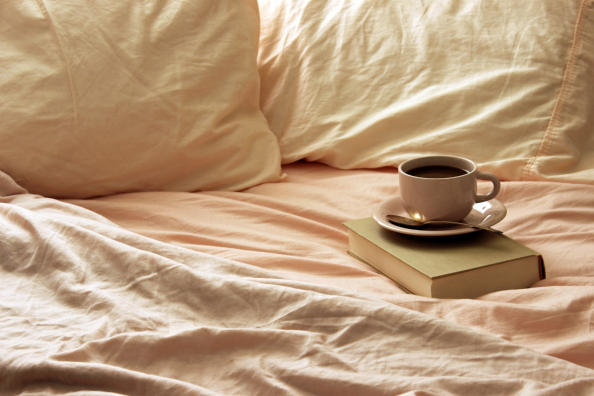

For many people, coffee is a morning lifesaver it’s aromatic, invigorating, and inspiring. It helps you start the day with a clear mind, lifts your spirits, and boosts productivity. At the same time, however, coffee is often blamed for interfering with sleep, causing insomnia, or leading to restless sleep. Is coffee really to blame, and how long before bedtime can you drink it without it interfering with your rest?
Why does coffee affect sleep?
The main factor determining coffee’s effect on sleep is caffeine. It is a natural stimulant that acts on the central nervous system. Caffeine blocks adenosine-a substance that builds up in our brains during the day and makes us feel sleepy. When adenosine’s effects are blocked, the feeling of fatigue subsides, and we feel more alert and energetic.
However, the price of this energy boost is that the brain remains in “active mode” for longer. The effects of caffeine do not end the moment we stop feeling alert; it continues to circulate in the bloodstream for several hours. On average, caffeine has a half-life of five to six hours. This means that if you drink a large cup of coffee around 4:00 p.m., by 10:00 p.m. your body will still contain about half of the caffeine it originally had.
How long before bedtime should you avoid drinking coffee?
Experts generally recommend avoiding caffeine for six hours before bedtime. If, for example, you go to bed around 11 p.m., your last cup of coffee should be around 5 p.m. However, each person’s body reacts differently to caffeine. Some people can drink an espresso as late as 9 p.m. and still sleep soundly, while for others, even a small amount of coffee in the afternoon makes it difficult to fall asleep.
The key here is to pay attention to your body. If you have trouble falling asleep at night or your sleep feels restless, it might be a good idea to move your last cup of coffee to the first half of the day. By experimenting with when you drink coffee, you can easily find the rhythm that works best for you.
How much coffee a day is safe?
Coffee is not harmful when consumed in moderation. The European Food Safety Authority (EFSA) recommends not exceeding 400 milligrams of caffeine per day, which is equivalent to about four cups of black coffee. Of course, the amount of caffeine can vary depending on the variety of coffee beans, the roast, and the brewing method.
Arabica coffee contains slightly less caffeine than Robusta, so it has a milder flavor and is better suited for those who want to enjoy coffee without an overly stimulating effect. If you find that coffee keeps you awake at night but you don’t want to give it up, you can also choose decaffeinated coffee -it retains the same taste and aroma, but without the stimulating effect.
How can you tell if coffee affects your sleep?
If you wake up feeling tired in the morning even though you’ve slept long enough, the cause may be your evening cup of coffee. Other signs that may indicate caffeine’s effect on sleep include difficulty falling asleep, frequent awakenings during the night, or restlessness before bedtime.
A good way to test your sensitivity is to avoid coffee after 2:00 p.m. for a week. If the quality of your sleep improves after a few days, your body may be more sensitive to caffeine, and afternoon coffee may not be right for you.
What happens if you drink coffee too late?
Drinking coffee too late in the day can delay falling asleep, reduce the deep sleep phase, and make sleep more superficial. A person may sleep for just as long as usual but wake up feeling tired. In the long term, this can lead to fatigue, impair concentration, and negatively affect mood. Even if you’re used to drinking coffee late in the evening and it “seems” like it doesn’t bother you, the quality of your sleep may actually be worse without you realizing it.
Sleep and Coffee
Coffee and quality sleep can coexist if we know how to balance them. Coffee helps us stay alert and focused, while sleep restores our energy and mental clarity. The key is moderation: enjoy coffee in the first half of the day, don’t exceed the recommended amount, and pay attention to how you feel.
If you follow these simple principles, coffee will become your trusted ally. And if you want to enjoy the aroma of coffee in the evenings without any side effects, choose a high-quality decaffeinated Arabica coffee. It will let you enjoy your favorite flavor while ensuring a peaceful and restful night’s sleep.