

It’s hard to imagine today’s workplace without coffee. In many offices, the morning begins with the sound of the coffee machine, and throughout the day, coffee breaks become brief moments that help people refocus and continue working with renewed energy. Coffee is often referred to today as “office fuel” because it has become an integral part of the workday. However, this connection between coffee and work did not arise by chance-it has developed over the centuries until it became an important element of modern work culture.
The Introduction of Coffee into European Culture
Coffee became popular in Europe in the 17th century, when it gradually spread from the Middle East to the major cities. The first coffeehouses appeared in Venice, London, and Paris. They quickly became gathering places for merchants, intellectuals, and businesspeople.
These places served as venues for discussions on politics, economics, science, and new ideas. In many cases, coffeehouses became a kind of informal business hub where partnerships were formed and projects were discussed. Unlike alcohol, which had often been the main social drink until then, coffee helped people stay alert and focused.
This characteristic made coffee particularly well-suited for places where active thinking and the exchange of ideas took place.
The Impact of the Industrial Revolution
In the 19th century, with the onset of the Industrial Revolution, the organization of work changed significantly. In factories and offices, workdays grew longer, and the pace of work increased. Employees needed a way to maintain their energy and concentration for several hours at a time.
It was during this time that coffee became a widely available and popular beverage among workers. Coffee breaks helped employees relax and refocus before returning to their work tasks. Gradually, a tradition emerged that we know today as a coffee break.
This short break during the workday has become an important part of many workplaces. It not only helped reduce fatigue but also improved employees’ well-being and productivity.
The Effects of Caffeine on Concentration
One of the main reasons coffee is so closely associated with work is the effect of caffeine on the human body. Caffeine is a natural stimulant that affects the central nervous system.
It helps reduce feelings of fatigue and promotes alertness. Many people find that after a cup of coffee, they have improved concentration and more energy, which helps them tackle their daily tasks more effectively.
It is precisely for this reason that morning coffee has become a common ritual in many workplaces. It helps people prepare for the workday and tackle their tasks with greater focus. In the afternoon, coffee is also often used as a way to overcome the energy slump that frequently occurs in the second half of the workday.
The Social Role of Coffee in the Workplace
In addition to its physiological effects, coffee also plays an important social role. In offices, the coffee machine or break room often becomes a place where colleagues meet during short breaks. During these moments, people can discuss work-related issues, exchange ideas, or simply take a brief break from the intense work environment. Such informal conversations often foster better teamwork and help create a more positive work atmosphere. In many organizations, it is precisely during coffee breaks that new ideas emerge or problems that previously seemed complex are solved.
Coffee Culture in Italy
When it comes to coffee during the workday, Italy deserves special mention. In Italy, coffee is an important part of everyday culture, and espresso is one of the most popular beverages.
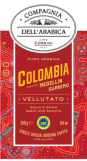
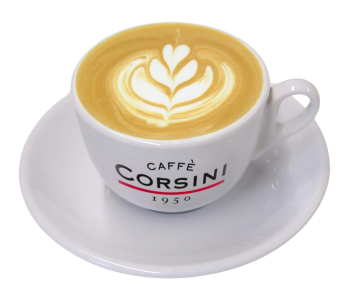
Italians often drink espresso quickly—at the bar, before work, or during a break. This brief moment of intense coffee flavor serves as a small energy boost before continuing with the day. This approach has also inspired many traditional coffee producers, such as Caffè Corsini, which has been offering coffee with the authentic character of Italian espresso since 1950. Italian coffee culture emphasizes quality, aroma, and a simple yet meaningful ritual—a few minutes that help prepare you for the day’s tasks ahead.
Coffee in the Modern Workplace
These days, the work environment has become more diverse. Many people work not only in offices, but also remotely or from coworking spaces. However, coffee still plays an important role as part of the daily work routine.
Morning coffee often helps kick off the workday, while an afternoon coffee can serve as a short break between tasks. These moments allow you to clear your head and stay productive throughout the day.
The quality of the coffee also becomes important. By choosing high-quality coffee beans-such as 100% Arabica coffee-you can enjoy a richer aroma and a more balanced flavor. This turns your coffee break into a pleasant, high-quality ritual, rather than just a quick energy boost.
Coffee as Part of the Workday Routine
Over the centuries, coffee has become one of the most important beverages in workplace culture. From historic coffeehouses to modern offices and remote workplaces, it helps people stay focused, energized, and creative. A coffee break is often a brief but meaningful moment in the workday. It provides an opportunity to relax, pause for a moment, and prepare for the tasks ahead.
It is precisely this simple yet effective feature that has made coffee a true companion during the workday-a beverage that has been helping people work, think, and create for centuries.